
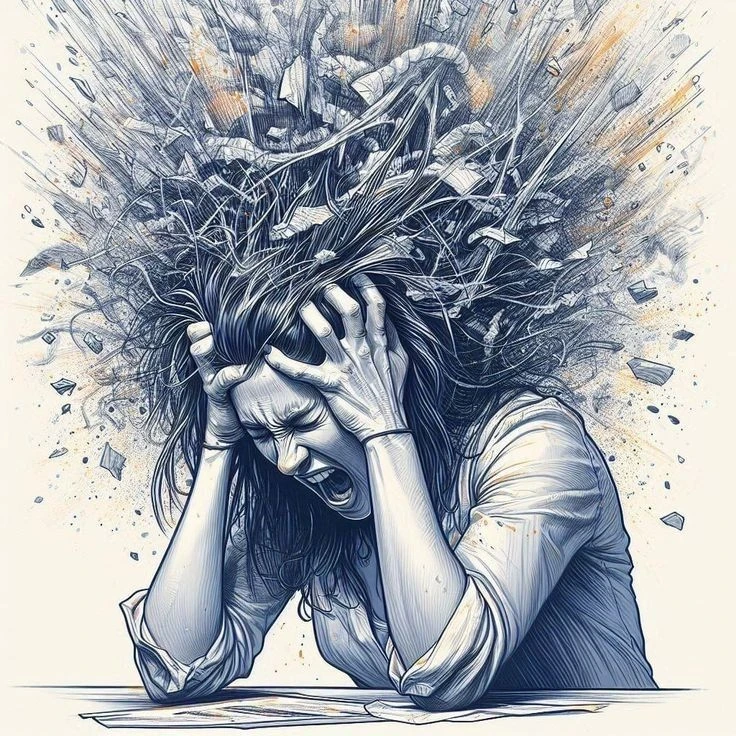
Feeling mentally heavy doesn’t always look dramatic. Sometimes it’s a quiet exhaustion, a dull ache in the mind, or a constant feeling that you’re carrying too much even when nothing “big” is happening. Emotional overload happens when your inner world becomes full—full of thoughts, worries, expectations, unprocessed feelings, and unspoken needs. It’s your mind’s way of saying: “I need a pause. I need space. I need care.” This heaviness directly impacts your mental wellness and overall emotional well-being.
What Emotional Overload Really Feels Like
Emotional overload is not just stress; it’s a mix of emotional pressure, mental fatigue, and inner tension. You may feel a tightness in your chest, reduced motivation, unexplained irritability, difficulty focusing, or a desire to withdraw. You might wonder, “Why can’t I handle things like before?” These are signs that your emotional system is overwhelmed and your mental health needs attention.
The Hidden Causes of Emotional Overload
Emotional overload usually builds up gradually and affects your emotional balance.
1. Suppressed Emotions
Avoiding sadness, anger, or disappointment causes emotions to pile up, affecting your emotional well-being.
2. Constant Responsibilities
Being “the strong one” drains energy and impacts long-term mental wellness.
3. People-Pleasing
Saying yes when you want to say no weakens emotional boundaries and increases emotional stress.
4. Overthinking
It consumes emotional energy and creates mental fog, disrupting emotional balance.
5. Past Experiences & Triggers
Old emotional wounds can intensify current stress.
6. Lack of Mental Rest
Without pauses, your mind never resets, leading to emotional exhaustion.
The Science Behind Emotional Overload
When overloaded, the amygdala becomes overactive, the prefrontal cortex slows down, and cortisol rises. This creates overwhelm, sensitivity, and mental fatigue. This biological response is why your mental wellness feels unstable during high stress.
Healthy Ways to Release Emotional Overload
Emotional Check-In: Identify what you’re feeling and what you need to support your emotional well-being.
Slow Down Your Day: Short mindful breaks restore emotional balance.
Let Go of One Responsibility: Lighten mental pressure intentionally.
Set Gentle Boundaries: Protect your emotional space by communicating needs.
Write What You Feel: Journaling reduces emotional clutter.
Talk to Someone You Trust: Sharing supports healthier emotional processing.
Practice Relaxation: Deep breathing and grounding calm your nervous system and improve mental wellness.
How to Prevent Emotional Overload
Create daily quiet moments, reduce screen time, prioritize sleep, avoid overcommitting, celebrate small wins, and listen to early emotional signals. These habits strengthen long-term emotional well-being.
Final Thought
Your mind feels heavy not because you’re weak, but because you’ve been carrying too much for too long. Emotional overload is a reminder to slow down and care for your mental wellness. When you respond with compassion, life becomes lighter, clearer, and emotionally balanced.
