
Every woman loves in her own way.
Some love deeply.
Some love protectively.
Some love with trust.
Some love with fear.
These patterns are not random—they are shaped by attachment styles, emotional blueprints formed in childhood that silently influence a woman’s relationships, trust, communication, and emotional well being.
Understanding your attachment style isn’t about labeling yourself. It’s about bringing mental wellness, emotional clarity, and self-awareness into the way you love. It helps you understand why certain patterns repeat and how you can create healthier, peaceful, emotionally safe relationships.
Let’s explore this journey gently.
🌸 What Are Attachment Styles?
Attachment styles are emotional patterns created during childhood based on:
how we were cared for
how emotions were handled around us
how safe we felt with our caregivers
how adults responded to our needs
These early experiences shape how women love as adults—how they attach, trust, communicate, and respond emotionally.
There are four main attachment styles:
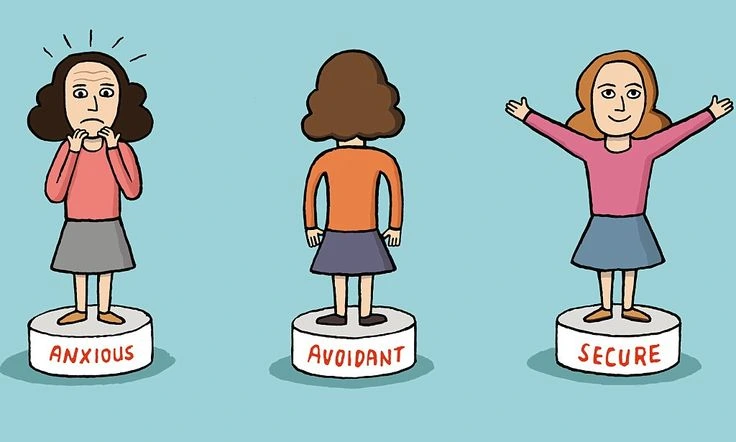
Secure
Anxious
Avoidant
Fearful (a mix of anxious + avoidant)
Each one shapes love differently.
🌿 1. Secure Attachment — Confident, Open & Emotionally Balanced Women
Women with secure attachment:
trust easily
communicate openly
handle conflicts calmly
express emotions without fear
accept love without overthinking
feel safe with closeness and independence
Why it develops:
A childhood with consistent, supportive, emotionally safe love.
Relationship impact:
These women build healthy, stable, steady connections because they feel emotionally secure within themselves.
🌼 2. Anxious Attachment — Loving Deeply but Fearfully
Women with anxious attachment may feel:
emotionally sensitive
scared of losing someone
worried when communication slows
insecure when love feels distant
hungry for reassurance
easily triggered by silence
They love intensely but fear abandonment.
Why it develops:
Caregivers were inconsistent—sometimes loving, sometimes distant.
Relationship impact:
They may overthink, attach quickly, fear being replaced, crave closeness, and struggle with trust.
They are not “too much.”
They simply weren’t given consistent love.
🌙 3. Avoidant Attachment — Strong Outside, Guarded Inside
Women with avoidant attachment appear:
independent
confident
self-sufficient
But inside, they struggle with vulnerability, trusting people, and emotional expression.
Why it develops:
Growing up in environments where emotions were ignored, judged, or unsafe.
Relationship impact:
They may fear commitment, shut down during conflict, avoid emotional conversations, or push people away.
They want love, but fear the closeness that comes with it.
🌫 4. Fearful Attachment — Wanting Love but Afraid to Receive It
This is a blend of anxious + avoidant patterns.
These women want connection but fear:
abandonment
closeness
emotional pain
trusting fully
They struggle with expressing emotions, believing they deserve love, and staying emotionally steady.
Why it develops:
Chaotic or unpredictable childhoods.
Relationship impact:
They may attach fast, pull away suddenly, avoid expressing needs, and feel confused about their desires.
💛 How Attachment Styles Shape Women’s Love Patterns
Attachment style affects:
how you express emotions
how you handle conflict
how deeply you love
how quickly you attach
how safe you feel
how long healing takes
how you treat yourself and your partner
Understanding it brings emotional awareness and supports your mental wellness and personal growth.
🌱 Can Attachment Styles Change? Yes — Absolutely.
You are not defined by your past.
You can unlearn old emotional patterns.
Healing happens when you:
become aware of your triggers
practice healthy communication
set boundaries
choose emotionally safe partners
reconnect with your inner child
practice self-love consistently
With time:
anxious becomes calm
avoidant becomes open
fearful becomes secure
secure becomes stronger
Growth is always possible.
🌿 How Women Can Heal Their Attachment Style
Acknowledge your emotional patterns.
Practice emotional boundaries.
Learn honest communication.
Stop choosing partners who trigger old wounds.
Reconnect with your inner child.
Give yourself the love you seek.
🌸 Final Thoughts
Your attachment style is not your fault—it reflects the emotional environment you grew up in.
But how you love now is your choice.
You can love without fear.
You can create emotionally safe, peaceful relationships.
You can become the secure, confident, emotionally grounded woman you were always meant to be.
Your heart deserves love that doesn’t hurt.
And that healing begins with understanding yourself deeply.
